


Moving into a new home is a happy moment, but also one of the most demanding in terms of organisation. There are dozens of small tasks, and many of them have to be done in a certain order. The good news is that, split into stages, a move becomes much easier to manage.
This checklist is designed both for people moving into a home they have bought and for tenants. Adapt it to your situation: a studio moves differently from a four room house with two children.
Eight weeks before
Set the date and the budget
- Fix the moving date based on the handover of the new home and, if you rent, the notice period in your current contract.
- Set a budget for transport, packing materials, cleaning and any urgent purchases.
- If you bought, check which costs you still have to pay after signing. Our guide to hidden buying costs can help.
Choose how to move
You can use a removal company or rent a van and ask friends for help. For a company, ask for at least two or three quotes, ideally after a visit or a video call where you show them the volume. Ask what the price includes: packing, dismantling and reassembling furniture, insurance for your belongings, carrying upstairs without a lift.
Start sorting
Moving is the ideal moment to get rid of things you no longer use. Split items into four groups: keep, sell, donate, throw away. The fewer things you move, the cheaper and faster the move.
Four weeks before
Prepare the new home
- Check whether painting or repairs are needed before the furniture arrives. It is much easier to work in an empty home.
- Measure the rooms, doors and stairwell so you know whether large furniture will fit.
- Order new furniture early, because delivery times can be long.
Utilities
Contact the providers for:
- electricity and natural gas: transferring contracts or opening new ones;
- water and sewerage, if you have an individual contract;
- internet, TV and phone: book installation for the first day after the move or even before.
At the old home, notify providers that contracts are ending or being transferred. Record the meter readings on handover day at both homes and take photos.
Two weeks before
Packing
- Get sturdy boxes in different sizes, tape, bubble wrap and markers.
- Start with rooms and items you use rarely: books, decorations, seasonal clothes.
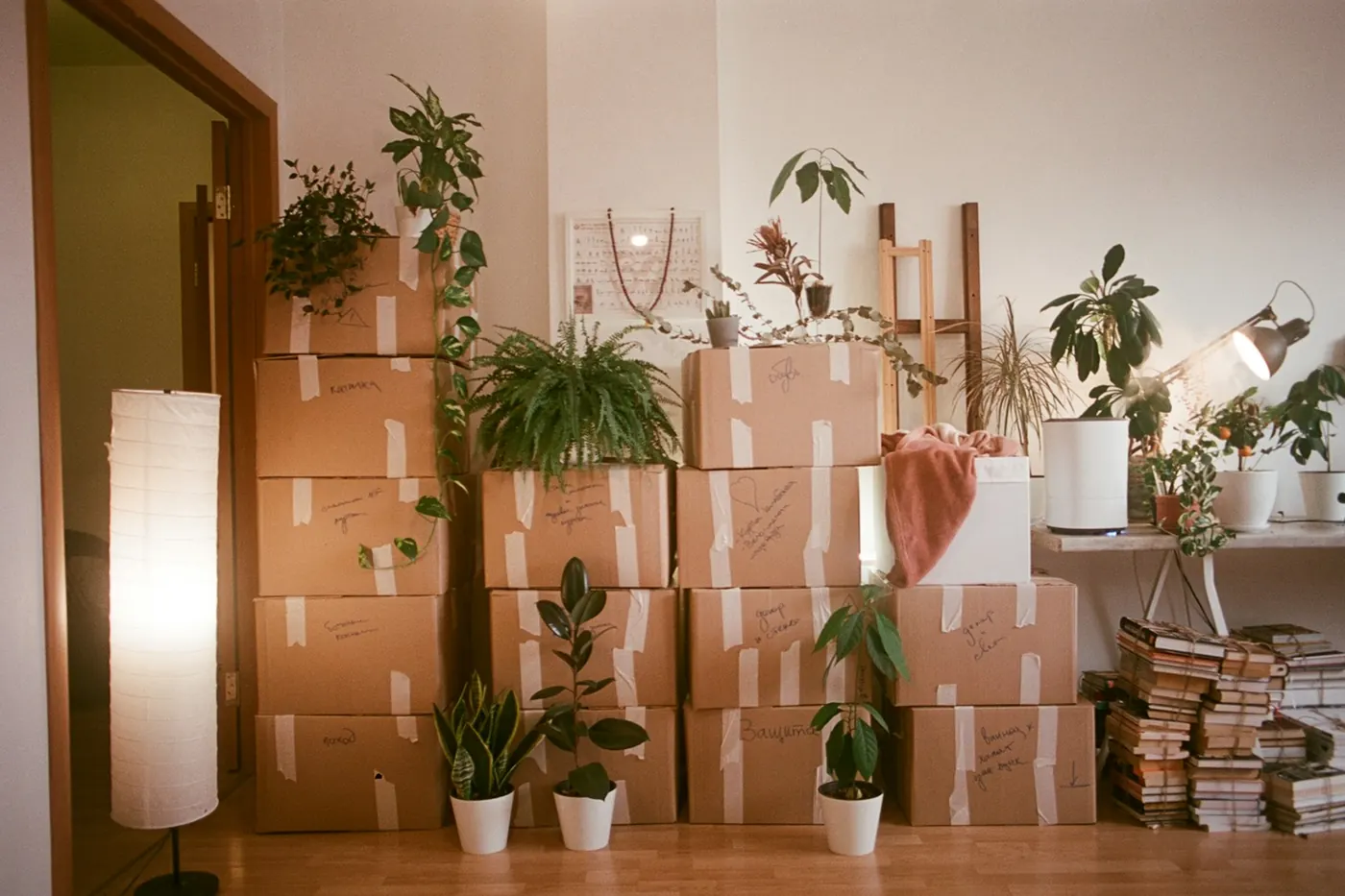
- Label every box with the destination room and a short list of contents. A colour code per room helps a lot when unloading.
- Put heavy items in small boxes and light items in large boxes.
- Photograph the cable connections of electronics before unplugging them.
Paperwork and address
- Keep important documents in a separate folder that you carry yourself: identity documents, the sale or rental contract, the home's documents, medical records.
- Make a list of the institutions and services that need your new address: the bank, your employer, your family doctor, school or nursery, subscriptions, delivery services.
- If you change your legal residence, find out about updating your identity card, which must be done within the period set by law.
One week before
- Confirm the time and details with the removal company or the friends helping you.
- Tell the building manager and, if needed, reserve the lift or a parking spot for the van at both addresses.
- Empty and defrost the freezer.
- Prepare a first night box, described below.
- Plan what to do with children and pets on moving day.
The first night box
This is the box you open first in the new home. Put in it:
- chargers for phones and laptop;
- the medicines you need;
- toiletries and towels;
- a set of bed linen for each bed;
- a few plates, glasses and cutlery, a knife and a kettle;
- toilet paper, bin bags and cleaning products;
- a small tool kit: screwdriver, cutter, tape;
- snacks and water.
On moving day
- Be there for loading and check nothing is left in the old home: cupboards, balcony, storage room.
- Record the meter readings and hand over the keys with a handover report if you were renting. We also cover handing back a rented home in our guide to a safe rental contract.
- At the new home, check the readings, the keys and the condition of the rooms before unloading starts.
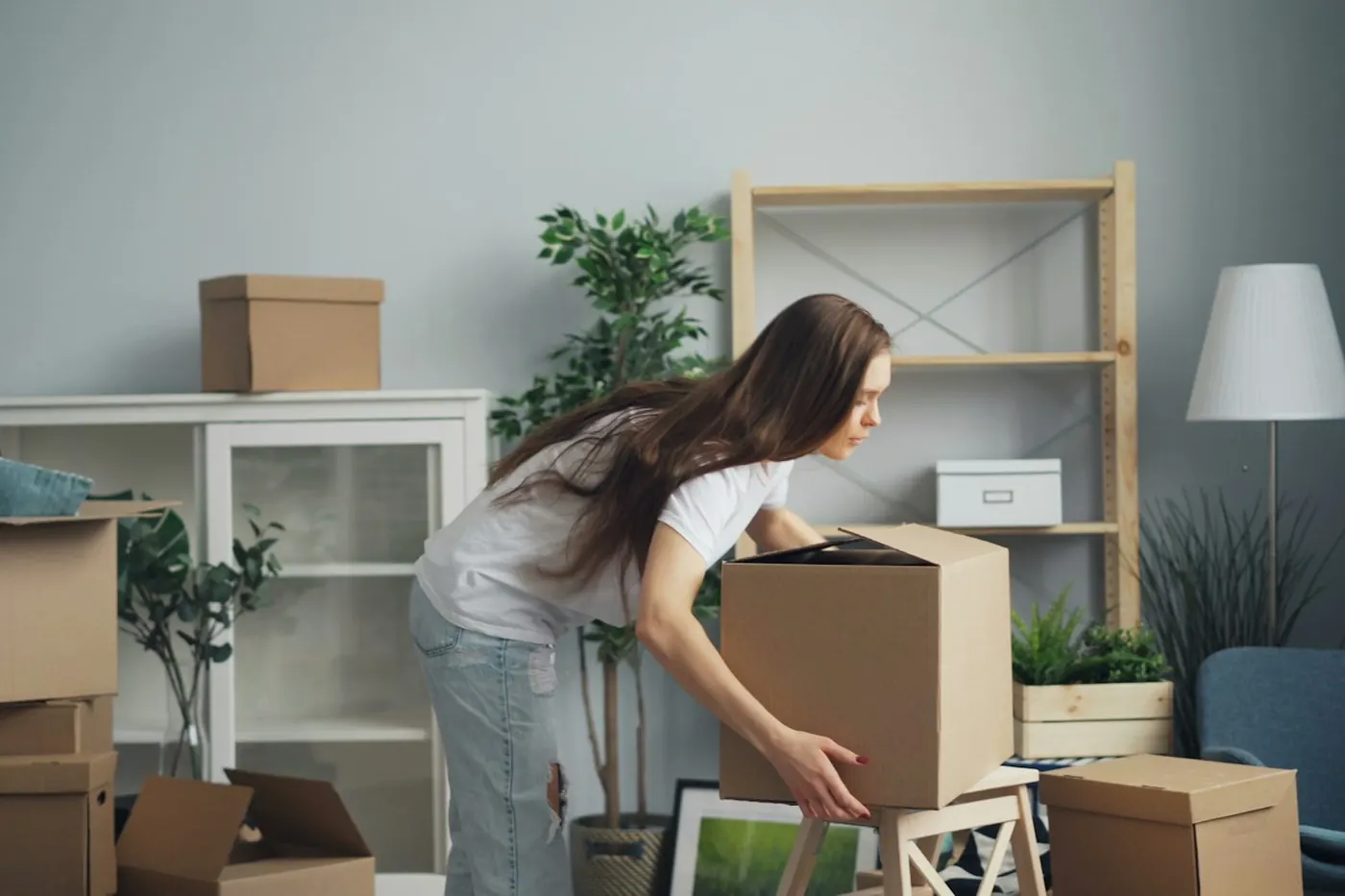
- Direct unloading room by room, following the labels.
- Assemble the beds first, so you have somewhere to sleep on the first night.
In the first days after moving
Security
- Change the lock or cylinder on the front door. You do not know how many keys have been in circulation.
- Check the smoke detectors and, if you have gas, the gas detector.
- Find the main water valve, the fuse box and the gas valve.
Admin
- Introduce yourself to the owners association and find out how service charges are paid.
- Declare the home at the town hall for property tax if you bought. The notary usually passes on the information, but check.
- Take out or update the mandatory home insurance and, optionally, a voluntary policy.
- Update your address with every institution on your list.
Getting organised
Do not try to unpack everything on the first day. Start with the kitchen and bathroom, then the bedrooms. Leave decorations and boxes of rarely used items for the following weekends. As you empty boxes, fold them and keep a few for storage.
Community
Say hello to the neighbours, explore the area and find the nearest shops, pharmacies, parks and transport stops. If you are moving to the capital with children, our guide to Bucharest neighbourhoods for families can give you useful ideas.
Moving with children and pets
Children adapt more easily when they are involved. Let them pack a box of their favourite toys themselves and show them their new room before the move if you can. On the first evening, try to keep the usual bedtime routine. For pets, prepare a quiet space in the new home with familiar bowls, a blanket and toys, and keep them away from the commotion on moving day. Check windows and balconies before letting them roam the house.
Common mistakes
- Leaving everything to the last week. Packing always takes longer than you think.
- Not labelling boxes. Unloading becomes chaotic and you spend days looking for basics.
- Forgetting utilities. You may find yourself without internet or gas in the first days.
- Moving things you do not need. You pay to transport items you will throw away anyway.
- Not recording meter readings. Discussions about bills with the previous owner become difficult.
Still looking for the right home?
If you have not found your new home yet, on Empire Terra you can search apartments for sale, apartments for rent or houses and villas in all the major cities. An advisor can help through an offer request, and the buyer guide shows you the steps up to signing.
Frequently asked questions
How far ahead should I start preparing to move?
Ideally about two months ahead. That gives you time to choose a removal company, sort your belongings, deal with utilities and pack without rushing.
What should I do about utilities when I move?
Notify providers to transfer, end or open contracts, book internet installation early and record the meter readings at both homes on moving day.
Do I need to change my identity card after moving?
If you change your legal residence, you must update your identity card within the period set by law. There is a separate procedure for a temporary residence. Check with the local population records office.
What goes in the first night box?
The things you need in the first 24 hours: chargers, medicines, toiletries, bed linen, a few dishes and cutlery, cleaning products, basic tools, snacks and water.