

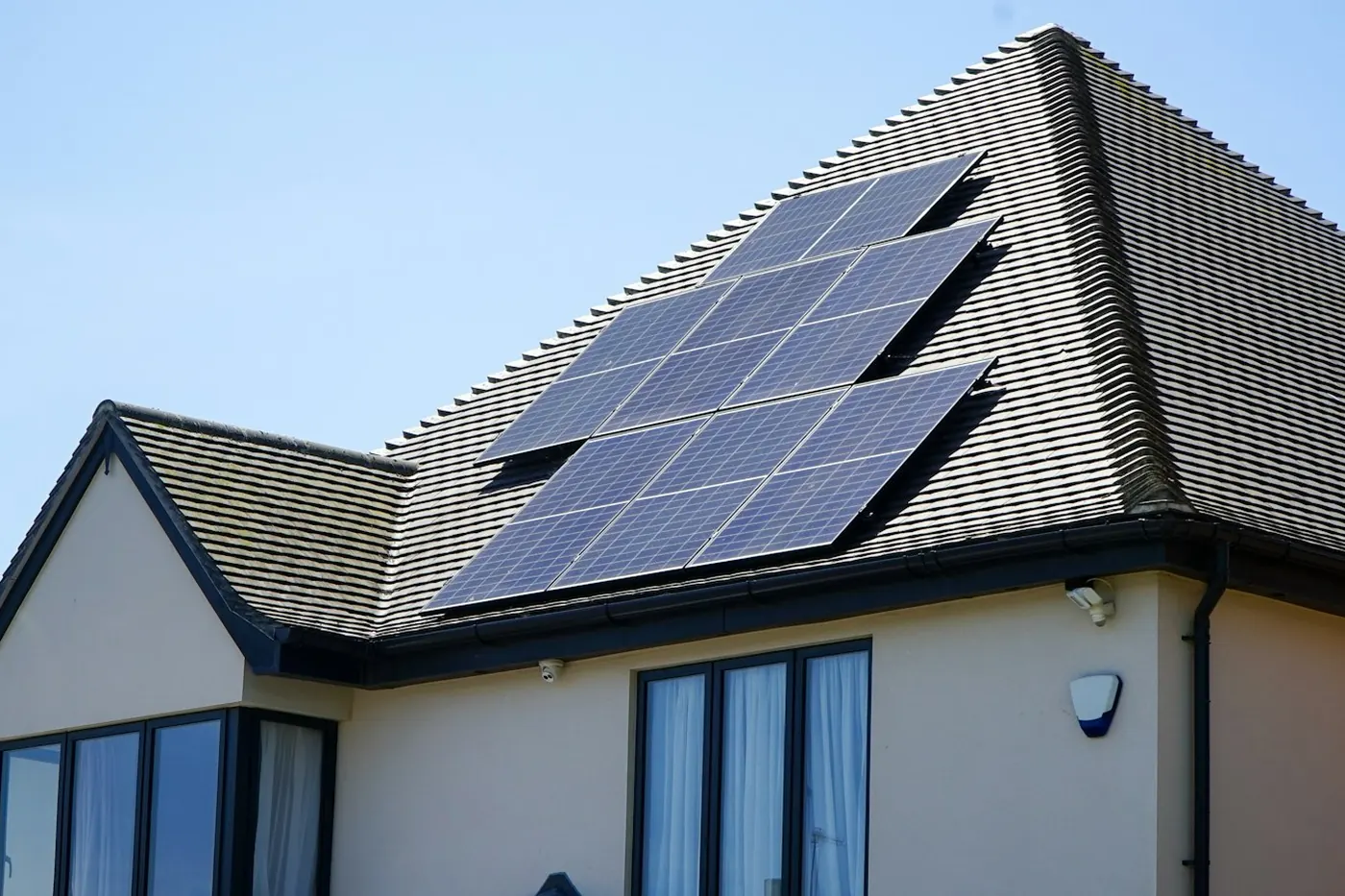
The energy performance certificate is the document that tells you how energy efficient a home is. For buyers and tenants it is a window onto future bills and onto works that may be needed. For sellers and landlords it is a mandatory document in many situations and a selling point when the class is good.
In this guide we explain what the certificate contains, who issues it, when it is needed and how to use it in practice when deciding to buy or rent. The information is general, and for special situations it is best to talk to an energy auditor or a notary.
What the energy performance certificate is
The energy performance certificate, often simply called the energy certificate, is issued by a certified energy auditor after assessing the building or apartment. The legal framework is set by Romanian legislation on the energy performance of buildings, which transposes the European rules in this area.
The document shows the estimated energy use for heating, hot water, cooling, ventilation and lighting per square metre, along with the related carbon dioxide emissions. Based on these values, the home is placed in an energy class from A, the most efficient, to G, the least efficient.
Keep in mind that the consumption in the certificate is calculated under standard conditions. Your real bills also depend on how you use the home, how many people live there and the temperature you prefer.
When it is required
An energy certificate is needed, among other cases, when homes are sold or let. For a sale, the notary asks for it when the contract is signed. For a rental, the landlord must make it available to the tenant.
In addition, sale and rental listings must include information about the home's energy performance. That is why you increasingly see the energy class displayed next to the price on property platforms.
The certificate is valid for a period set by law, usually ten years, as long as the home does not undergo major changes. If you have renovated, insulated or replaced the heating system, a new certificate may better reflect the current situation.

How to get the certificate, step by step
If you are an owner who wants to sell or let, the process is usually simple:
- Choose a certified energy auditor. You can ask for recommendations or check the register of certified auditors. Ask for a price and a timeline from the start.
- Prepare the documents. The auditor may ask for the ownership deed, the floor plan or survey and information about the year built, windows, insulation and heating system.
- Book the visit. The auditor comes on site, measures, takes photos and records the key features.
- Receive the certificate. After the calculations, the auditor issues the certificate and registers it according to the procedure.
Keep the certificate with the home's other documents and put the energy class in the listing. If you sell through an agency or on Empire Terra, this information helps buyers compare offers fairly.
Differences between houses and apartments
For an apartment, performance depends heavily on the block: insulation of shared walls, the roof, the basement and the apartment's position in the building. An apartment on a middle floor usually loses less heat than one on the top floor or above an unheated basement. In a house the whole envelope is yours, so improvement decisions are yours alone, without needing the neighbours' agreement.
How to read the certificate
Energy class
This is the most visible information and the easiest to compare. A good class usually points to an insulated building envelope, efficient windows and an efficient heating system. A poor class can mean high bills and improvement works.
Specific energy consumption
It is expressed in kilowatt hours per square metre per year. It helps you compare two homes of different sizes. Look at both the total and the breakdown by use, especially heating.
Carbon dioxide emissions
These show the environmental impact. They are linked to the type of energy used: gas, electricity, district heating or renewable sources.
The auditor's recommendations
Many certificates include recommended measures to improve performance. This section is very useful if you want to estimate the works needed after buying.
How to use the certificate at a viewing
Ask for the certificate before the viewing or at the latest during it. Then compare what the document says with what you see:
- Windows: are they the ones in the certificate or have they been replaced since?
- Insulation: is the block or house insulated? Are there areas with condensation or mould?
- Heating: own boiler, district heating or heat pump? What condition is it in?
- Orientation: sunny rooms reduce heating needs in winter but may need cooling in summer.
Also ask the seller or landlord what the real bills were in the winter and summer months. Combined with the certificate, this information gives you a realistic picture.
How the energy class affects price and negotiation
An efficient home lowers your monthly costs for as long as you live there. So at similar prices, a better energy class can be a significant advantage. Conversely, a poor class is a legitimate argument when you negotiate the price, especially if you have a written estimate for insulation or window replacement.
For buyers taking out a mortgage, energy efficiency may also matter to the bank. Over time some banks have offered special terms for energy efficient homes, so it is worth asking.
What you can improve after buying
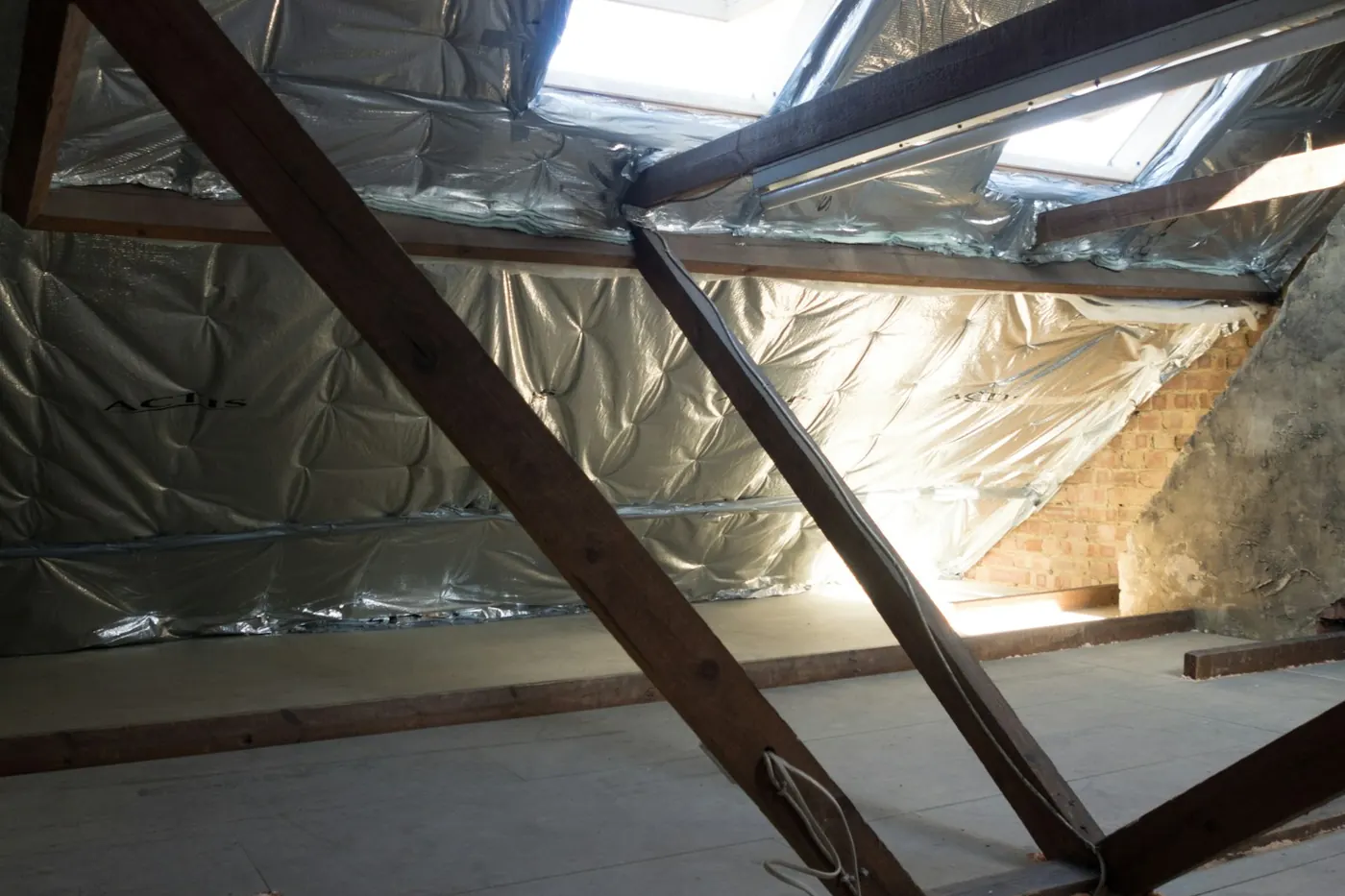
If you choose a home with a weaker class, these are the works that usually have the greatest effect:
- Insulating the envelope: exterior walls, the roof or terrace, the floor above the basement.
- Windows and doors: efficient frames and correct installation.
- Heating system: a more efficient boiler, thermostatic valves or a heat pump.
- Ventilation: controlled ventilation reduces condensation and heat loss.
- Lighting and appliances: efficient bulbs and low consumption appliances.
In apartment blocks, many of these works are decided by the owners association. Ask whether there are plans for thermal rehabilitation and how the costs are split. For a wider comparison between new and older buildings, see the article new or older apartment.
The energy certificate and rent
For tenants the certificate is just as important. Rent may be lower for an inefficient home, but the bills can cancel out the difference. When you compare apartments for rent, calculate the total monthly cost: rent plus estimated service charges and utilities. We cover utility clauses in our guide to a safe rental contract.
Common mistakes
- Ignoring the certificate because it looks like a formality. It contains information that matters for your budget.
- Comparing only the class, not the specific consumption. Two homes in the same class can use different amounts of energy.
- Not checking whether the certificate still reflects reality. Renovation or deterioration changes performance.
- Forgetting improvement costs in the total budget. See our guide to hidden costs.
Frequently asked questions
Who issues the energy performance certificate?
The certificate is issued by a certified energy auditor after assessing the home. The owner orders and pays for the certificate.
Is the energy certificate mandatory for a sale?
Yes, the certificate is needed when selling a home and the notary asks for it when the contract is signed. It is also needed for rentals.
How long is the certificate valid?
Validity is set by law, usually ten years, provided the home has not undergone major changes that alter its performance.
Does a good energy class guarantee low bills?
It does not guarantee them, because bills also depend on how the home is used. But a good class indicates the potential for low consumption under standard conditions.